Tensar, a division of CMC and a global leader in ground stabilization and soil reinforcement, has spent nearly five decades developing geogrid technology used in civil construction and infrastructure projects worldwide. To push the boundaries of what’s measurable on a job site, Tensar set out to build a tool capable of capturing continuous, granular data on how aggregate particles actually move and shift under load.
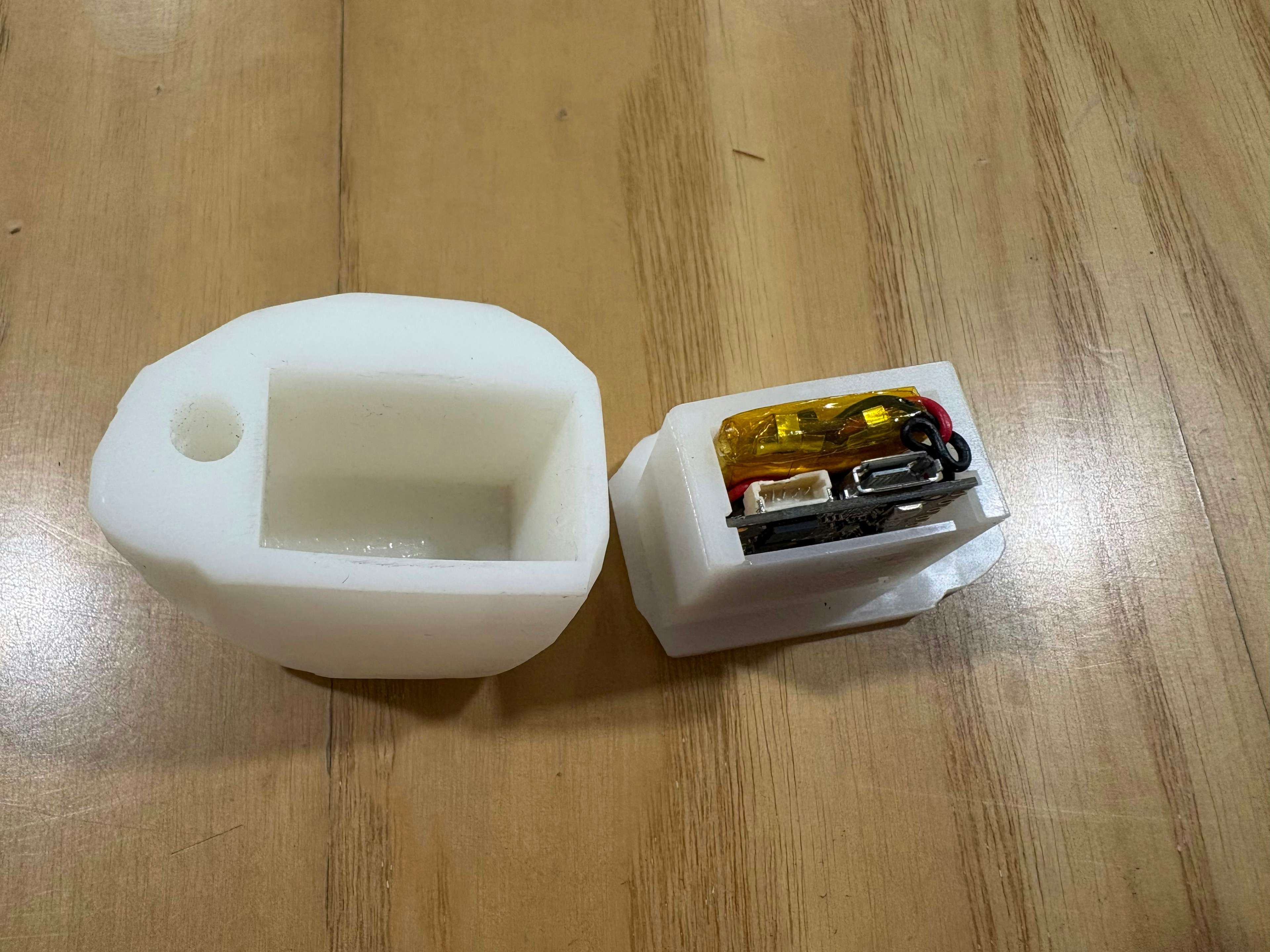
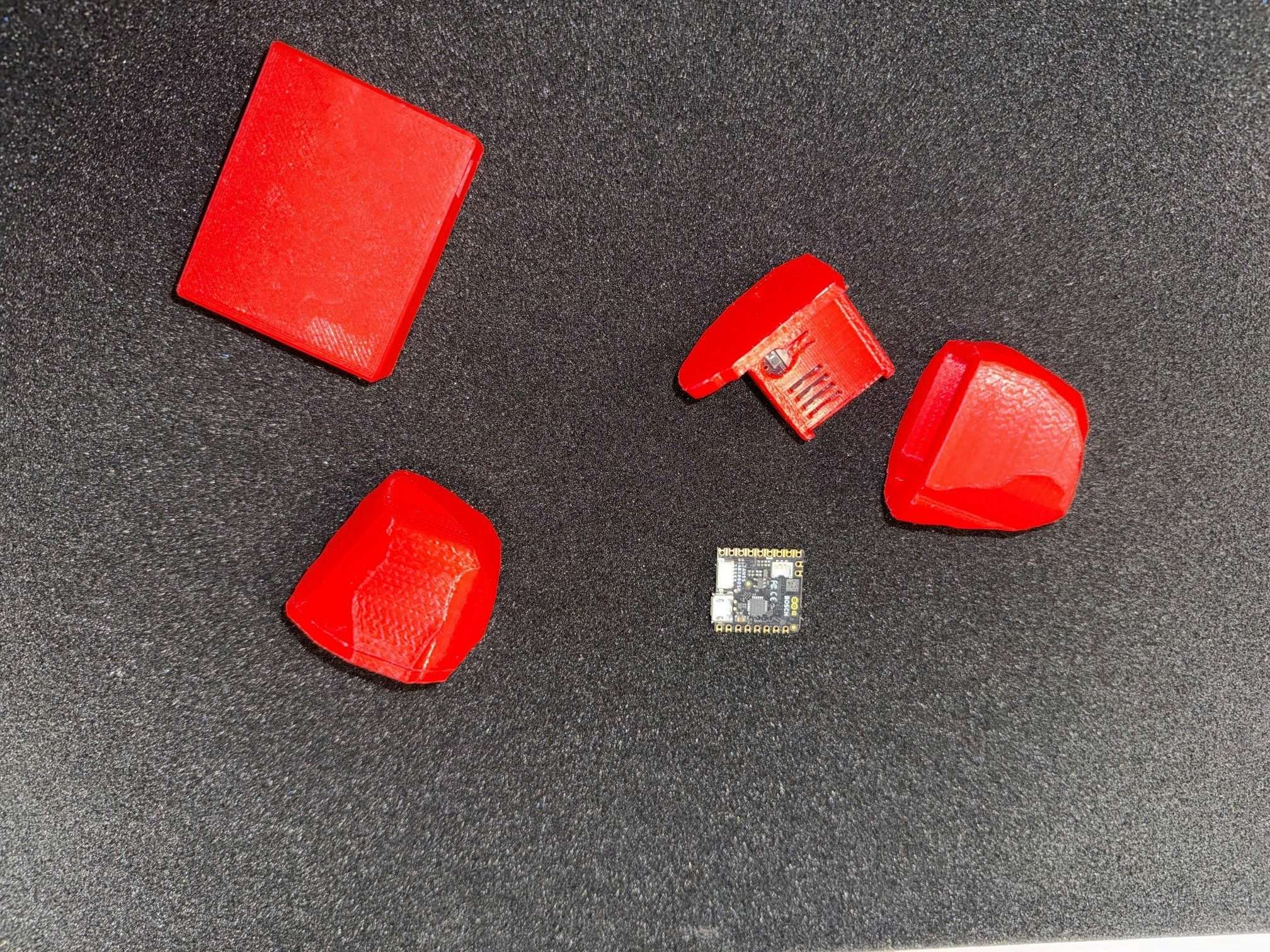
The result, developed in collaboration with embedded software specialist Alumnus Software (an Arduino SIPP member since 2024), is the GeoVision Smart Pebble: a miniaturized, battery-powered embedded device, shaped and sized like a natural piece of gravel, designed to be buried inside aggregate during load testing and report on its movement in real time.
Building it meant solving a genuinely difficult engineering problem: fitting a 9-axis IMU, a processing core, a battery, and a wireless radio inside a 3D-printed shell small enough to behave like gravel and durable enough to survive the physical stress of a real load test – all while running advanced motion-processing algorithms on a microcontroller with extremely limited memory and power.




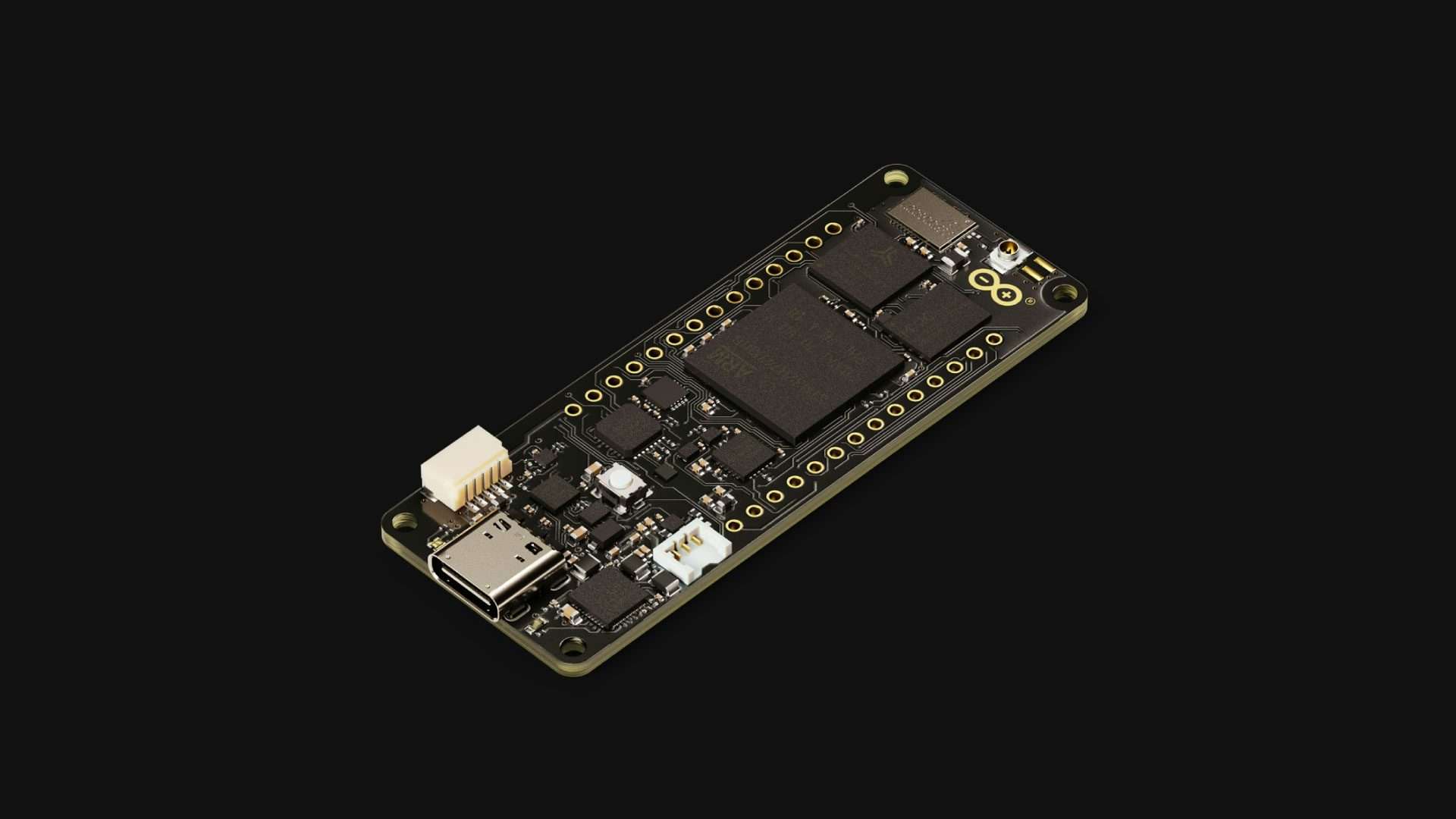
Built on Portenta H7 and Nicla Sense ME, each Smart Pebble integrates a 9-axis IMU – combining a MEMS accelerometer, gyroscope, and magnetometer – to capture how individual aggregate particles rotate and shift under stress. That data is processed on-device and transmitted via Bluetooth Low Energy to a central hub for analysis, using Portenta H7 as a router.
Processing that data accurately required running computationally heavy algorithms, including quaternion rotation and Kalman filtering, within the tight clock cycles of a small embedded microcontroller. Alumnus Software optimized the firmware so this motion-processing pipeline runs directly at the edge, meaning the Smart Pebble outputs clean, structured orientation data rather than raw, noisy sensor streams.
Memory and storage constraints shaped the entire software architecture. The team minimized variable sizes and kept the application’s footprint lean enough to fit within the microcontroller’s limited Flash and RAM. Rather than storing large volumes of historical data, the system buffers a small number of samples – around 100 – before initiating a Bluetooth LE transmission, balancing data integrity against the device’s tiny memory budget.
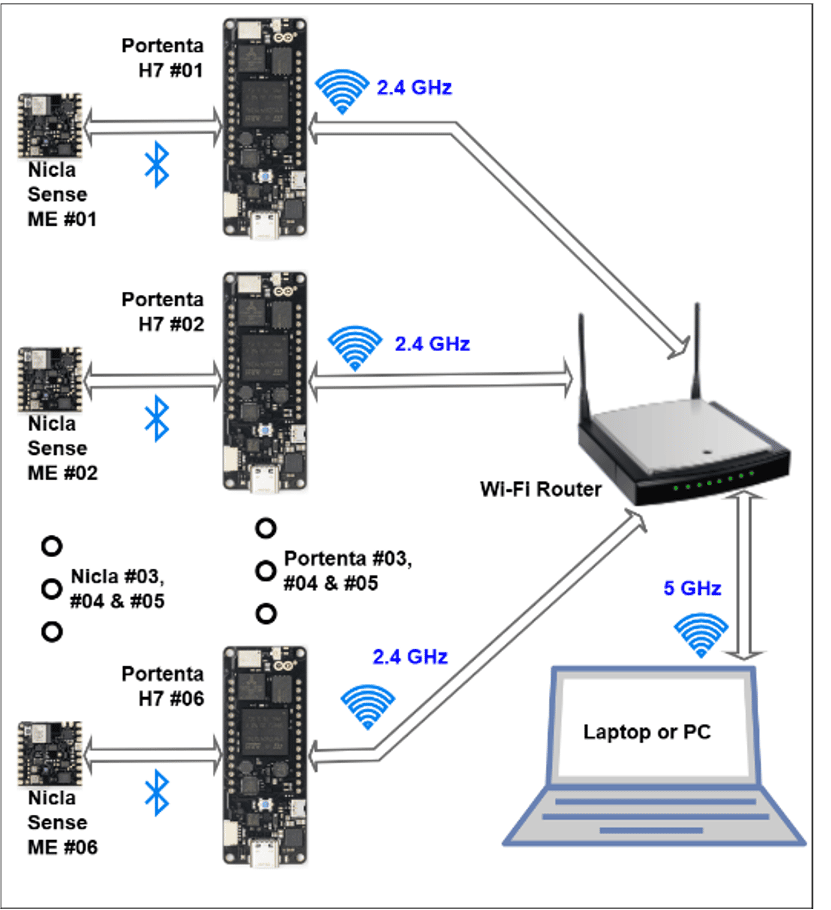
Wireless reliability was another key challenge. Operating in the crowded 2.4 GHz ISM band exposed the Smart Pebble to interference from Wi-Fi and other Bluetooth devices nearby. The team added a Cyclic Redundancy Check to validate every transmitted data packet, discarding anything corrupted, and decoupled sensor reading from Bluetooth LE transmission through a small buffer – preventing the system from being overwhelmed by sensing and transmitting simultaneously under noisy conditions.
Power management may be the most critical piece of the design. By default, the Smart Pebble conserves energy by advertising its Bluetooth LE presence only at extended intervals. Continuous sensing and transmission activate only on demand, when a user initiates a live load test – a model that dramatically extends battery life and makes long-term field deployment realistic.
“From an embedded software perspective, our primary challenge was mathematical and operational efficiency,” notes Ashis Khan, Board Member, Alumnus Software. “Arduino was the ultimate enabler for our development team: the architecture provided the necessary processing headroom to deploy our embedded AI algorithms directly to the node, while its flexible power-management abstractions allowed us to write a demand-driven Bluetooth LE advertising routine. Arduino allowed Alumnus Software to treat the hardware as a dependable ‘black box,’ freeing our engineers to focus entirely on optimizing the data pipelines and filter math that give the Smart Pebble its intelligence.”
“We are laser focused on fast innovation: try new things, and if you fail, fail fast, fail forward, and fail cheap. Getting prototypes into the hands of our users as fast as possible is key to ensuring we’ve got the right product to meet their needs. Having an ‘out of the box’ hardware package that fit our non-trivial physical constraints was essential to delivering a prototype quickly. Designing our own hardware would have added months or years to the project and was a nonstarter.”
– John Wallace, Tensar, a division of CMC
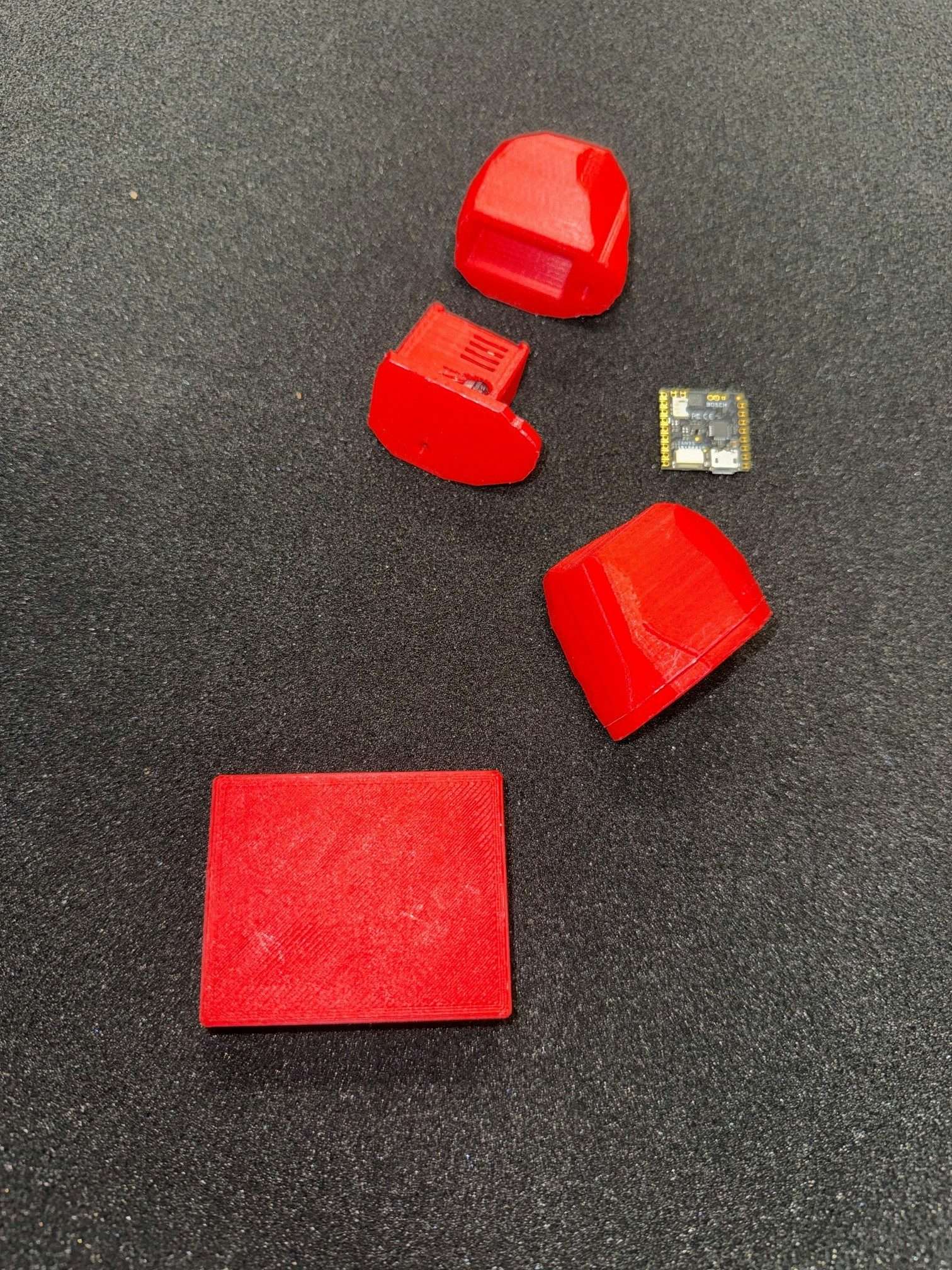
With engineering validation established, Tensar and Alumnus Software are now focused on the path to commercial deployment. Active field testing is underway, with work ongoing to ruggedize the hardware shell, optimize power management for permanent installation, and scale the platform into standard civil engineering workflows globally. The goal is a production-grade Smart Pebble – ready not just for controlled load tests, but for the full range of demands that structural health monitoring at infrastructure scale requires.
Arduino, Portenta, and Nicla are trademarks or registered trademarks of Arduino S.r.l.